%20%20--%3E%0A%3Csvg%20version%3D%221.1%22%20id%3D%22Layer_1%22%20xmlns%3D%22http%3A%2F%2Fwww.w3.org%2F2000%2Fsvg%22%20xmlns%3Axlink%3D%22http%3A%2F%2Fwww.w3.org%2F1999%2Fxlink%22%20x%3D%220px%22%20y%3D%220px%22%0A%09%20viewBox%3D%220%200%201531.8%20200%22%20style%3D%22enable-background%3Anew%200%200%201531.8%20200%3B%22%20xml%3Aspace%3D%22preserve%22%3E%0A%3Cstyle%20type%3D%22text%2Fcss%22%3E%0A%09.st0%7Bfill%3A%23F7B219%3B%7D%0A%3C%2Fstyle%3E%0A%3Cg%3E%0A%09%3Cpath%20class%3D%22st0%22%20d%3D%22M244.2%2C177.6c-0.4%2C7.1-3.7%2C12.8-10%2C17.1c-5.7%2C3.8-12.3%2C5.7-19.8%2C5.7h-54.7c-7.5%2C0-13.2-2-17.1-6%0A%09%09c-2.6-2.6-5.8-8.1-9.7-16.8l-28-62c3.5-0.7%2C11.6-3.4%2C24.3-8.1c12.3-4.6%2C20-7.7%2C23.2-9.4c18.9-9.8%2C28.3-22%2C28.3-36.7%0A%09%09c0-16.9-11.9-25.3-35.8-25.3H0L22.2%2C0.3h143.1c51.5%2C0%2C77.2%2C16.4%2C77.2%2C49.2c0%2C27.8-26.8%2C52-80.3%2C72.8l25.6%2C55.3H244.2z%20M125.2%2C54.5%0A%09%09L73.3%2C200.3H22.2L73.6%2C54.5H125.2z%22%2F%3E%0A%09%3Cpath%20class%3D%22st0%22%20d%3D%22M1201.6%2C0.3l-19.2%2C35.8h-52.7l-43.4%2C122c-10%2C28.1-29.5%2C42.2-58.3%2C42.2h-99.5c4.2-10.6%2C7.8-18.1%2C10.9-22.6%0A%09%09c5.5-7.9%2C11.9-11.8%2C19.3-11.8c1.1%2C0%2C2.3%2C0.1%2C3.6%2C0.3l66.4%2C10.5l49.8-140.6h-82.2c-12.1%2C0-23%2C3.6-32.7%2C10.7%0A%09%09c-10.6%2C7.8-15.9%2C17.5-15.9%2C29.3c0%2C8.1%2C2.7%2C12.8%2C8.2%2C13.9c2.7-9.6%2C7.9-17%2C15.5-22.3c6.9-4.7%2C14.7-7.1%2C23.5-7.1%0A%09%09c11.1%2C0%2C20%2C3.6%2C26.9%2C10.7c6.3%2C6.6%2C9.5%2C14.5%2C9.5%2C23.7c0%2C9.8-3.7%2C17.9-11.2%2C24.3c-8.4%2C7.4-20.2%2C11.1-35.4%2C11.1%0A%09%09c-16.6%2C0-30.8-4.6-42.6-13.8C928.6%2C106.2%2C921.9%2C92%2C921.9%2C74c0-19.4%2C7.8-36.1%2C23.5-50c17.5-15.8%2C41.6-23.7%2C72-23.7H1201.6z%22%2F%3E%0A%09%3Cpath%20class%3D%22st0%22%20d%3D%22M294.8%2C78.2V98h59.7v28.9h-59.7v20h67.7v28.9H257.3V49.4h103.4v28.9h-65.9V78.2z%22%2F%3E%0A%09%3Cpath%20class%3D%22st0%22%20d%3D%22M380.5%2C175.8V49.4H418v126.5L380.5%2C175.8L380.5%2C175.8z%22%2F%3E%0A%09%3Cpath%20class%3D%22st0%22%20d%3D%22M554.2%2C110.3v50.9c-13.7%2C9.4-36.1%2C16.2-54.1%2C16.2c-39.2%2C0-68-27.6-68-64.8c0-37%2C29.8-64.4%2C70.5-64.4%0A%09%09c19.3%2C0%2C40.1%2C7.4%2C53.4%2C19.1l-21.3%2C25.8c-8.7-8.3-21.3-13.7-32.3-13.7c-18.2%2C0-31.9%2C14.3-31.9%2C33.2c0%2C19.3%2C13.9%2C33.4%2C32.3%2C33.4%0A%09%09c5.2%2C0%2C12.3-1.8%2C19.1-4.9v-30.9L554.2%2C110.3L554.2%2C110.3z%22%2F%3E%0A%09%3Cpath%20class%3D%22st0%22%20d%3D%22M660.8%2C175.8l-53.6-70.4v70.4h-34.5V49.4h32.1l53.6%2C70.7V49.4h34.3v126.5L660.8%2C175.8L660.8%2C175.8z%22%2F%3E%0A%09%3Cpath%20class%3D%22st0%22%20d%3D%22M813.1%2C105.7c0%2C20.5-16.1%2C35.7-37.9%2C35.7s-37.9-15.2-37.9-35.7s16.1-35.4%2C37.9-35.4S813.1%2C85.3%2C813.1%2C105.7z%0A%09%09%20M758.4%2C105.8c0%2C10.5%2C7.9%2C18.4%2C17.1%2C18.4c9.1%2C0%2C16.5-7.8%2C16.5-18.4s-7.3-18.2-16.5-18.2C766.2%2C87.6%2C758.4%2C95.2%2C758.4%2C105.8z%22%2F%3E%0A%09%3Cpath%20class%3D%22st0%22%20d%3D%22M841.5%2C86.8v13.9h31v15.9h-31v23.9h-20.7V70.9h54v15.9H841.5z%22%2F%3E%0A%09%3Cpath%20class%3D%22st0%22%20d%3D%22M1196.6%2C141.7h-19.8v34.1h-37.5V49.4h59c33.9%2C0%2C53.4%2C16.2%2C53.4%2C44.9c0%2C18.8-7.6%2C32.5-21.3%2C40.2l25.6%2C41.3%0A%09%09h-42.6L1196.6%2C141.7z%20M1198.3%2C112.9c11.2%2C0%2C17.7-6.1%2C17.7-17.5c0-11-6.5-17.1-17.7-17.1h-21.5v34.6H1198.3z%22%2F%3E%0A%09%3Cpath%20class%3D%22st0%22%20d%3D%22M1400.7%2C112.5c0%2C37.2-29.2%2C64.9-68.9%2C64.9s-68.9-27.6-68.9-64.9c0-37.2%2C29.2-64.2%2C68.9-64.2%0A%09%09S1400.7%2C75.5%2C1400.7%2C112.5z%20M1301.3%2C112.7c0%2C19.1%2C14.4%2C33.4%2C31%2C33.4s29.9-14.3%2C29.9-33.4s-13.4-33-29.9-33%0A%09%09C1315.5%2C79.7%2C1301.3%2C93.6%2C1301.3%2C112.7z%22%2F%3E%0A%09%3Cpath%20class%3D%22st0%22%20d%3D%22M1486.4%2C175.8h-37.5v-39.3l-46.4-87.1h37.5l27.6%2C51.6l26.9-51.6h37.3l-45.5%2C86.4L1486.4%2C175.8L1486.4%2C175.8z%22%0A%09%09%2F%3E%0A%3C%2Fg%3E%0A%3C%2Fsvg%3E%0A)

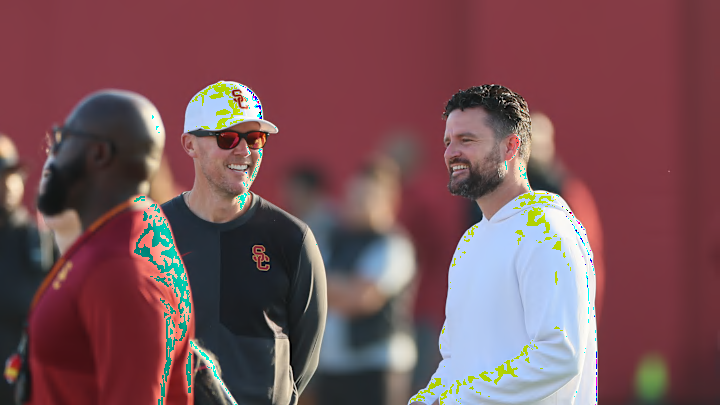
In just one season as General Manager, USC’s Chad Bowden landed the No. 1 ranked recruiting class. By now, it’s well-known in college football circles that the Trojans became the first non-SEC school in decades to claim the top spot. For USC, the ranking was a statement by showcasing not just the power of the brand, but its ability to hold its own against heavyweights like Notre Dame, Nike-backed Oregon, and the SEC as a whole.
Another key factor in this recruiting win is money. Call it NIL investment, backing, or whatever the offseason buzzword is this year, but let’s be real, it’s money. The Trojans were anonymously identified by other college coaches as one of the most aggressive spenders in the country for the 2026 recruiting cycle. That’s not surprising, as it’s more likely than not that most No. 1 ranked recruiting classes over the decades have been bought, it’s just legal now.
Lincoln Riley even said as much earlier this month in an interview with Colin Cowherd, calling it “parity” and noting that “not just one part of the country is spending money on recruiting anymore.”
"Now there's not just one part of the country paying players. Everybody's able to do it and it's a great thing."@colincowherd and @uscfb Head Coach Lincoln Riley talk about how NIL has changed college football pic.twitter.com/Kx7QGb6Uwf
— Herd w/Colin Cowherd (@TheHerd) February 2, 2026
USC goes all-in on recruiting and roster building in 2026
Critics will bring up the Reggie Bush narrative, which by now is widely recognized as a bogus argument where the NCAA chose to protect one entity while unfairly punishing another that had done nothing wrong. But that is in the past and we must focus on the present, and the present does suggest that USC along with the likes of Oregon did make substantial investments into the 2026 recruiting class.
USC’s recruiting class boasts 35 commitments, excluding incoming transfer prospects for NIL tracking. Of those, 22 are blue-chip players with four- or five-star ratings, while the remaining 13 are strong three-star prospects on the verge of earning a fourth star. Holding the No. 1 class in the nation also means USC dominated the conference recruiting race. Leading the group is the country’s top-ranked player, edge defender Luke Wafle. It’s an impressive and costly haul.
At USC, most recruits hail from California or other western states, but there are also cross-country commits who often need a bit more financial help than the local talent. Rivals reports that the average distance of a commit from campus is 694.7 miles.
Before any of these players even take the field for the Trojans, the financial commitment is already notable. With 35 commits at an estimated $194,000 each according to Rivals, USC has invested about $6,790,000. That actually seems fairly reasonable given the potential impact of this class on the program’s future. It also pales in comparison to Oregon’s No. 4 ranked class, which is estimated at $212,000 per recruit. Still, these figures are rough estimates and likely don’t reflect the actual amounts spent by the Trojans, the Ducks, or any other team on their recruiting classes.
The Trojans have easily surpassed the $10 million mark, likely approaching $15 million. Luke Wafle and Mark Bowman are expected to be among the most expensive signings of the cycle. USC outspent and out-recruited powerhouse programs like Georgia, Ohio State, and Texas for these prospects, who are major players in the NIL scene.
It’s no surprise the Trojans earned a reputation as aggressive spenders in the NIL scene during the 2026 cycle. They went head-to-head with some major players and came out on top. The Trojans’ brand carries its own weight, but in today’s world, money talks and in 2026, they were talking the loudest.
 Add us as a preferred source on Google