%20%20--%3E%0A%3Csvg%20version%3D%221.1%22%20id%3D%22Layer_1%22%20xmlns%3D%22http%3A%2F%2Fwww.w3.org%2F2000%2Fsvg%22%20xmlns%3Axlink%3D%22http%3A%2F%2Fwww.w3.org%2F1999%2Fxlink%22%20x%3D%220px%22%20y%3D%220px%22%0A%09%20viewBox%3D%220%200%201531.8%20200%22%20style%3D%22enable-background%3Anew%200%200%201531.8%20200%3B%22%20xml%3Aspace%3D%22preserve%22%3E%0A%3Cstyle%20type%3D%22text%2Fcss%22%3E%0A%09.st0%7Bfill%3A%23F7B219%3B%7D%0A%3C%2Fstyle%3E%0A%3Cg%3E%0A%09%3Cpath%20class%3D%22st0%22%20d%3D%22M244.2%2C177.6c-0.4%2C7.1-3.7%2C12.8-10%2C17.1c-5.7%2C3.8-12.3%2C5.7-19.8%2C5.7h-54.7c-7.5%2C0-13.2-2-17.1-6%0A%09%09c-2.6-2.6-5.8-8.1-9.7-16.8l-28-62c3.5-0.7%2C11.6-3.4%2C24.3-8.1c12.3-4.6%2C20-7.7%2C23.2-9.4c18.9-9.8%2C28.3-22%2C28.3-36.7%0A%09%09c0-16.9-11.9-25.3-35.8-25.3H0L22.2%2C0.3h143.1c51.5%2C0%2C77.2%2C16.4%2C77.2%2C49.2c0%2C27.8-26.8%2C52-80.3%2C72.8l25.6%2C55.3H244.2z%20M125.2%2C54.5%0A%09%09L73.3%2C200.3H22.2L73.6%2C54.5H125.2z%22%2F%3E%0A%09%3Cpath%20class%3D%22st0%22%20d%3D%22M1201.6%2C0.3l-19.2%2C35.8h-52.7l-43.4%2C122c-10%2C28.1-29.5%2C42.2-58.3%2C42.2h-99.5c4.2-10.6%2C7.8-18.1%2C10.9-22.6%0A%09%09c5.5-7.9%2C11.9-11.8%2C19.3-11.8c1.1%2C0%2C2.3%2C0.1%2C3.6%2C0.3l66.4%2C10.5l49.8-140.6h-82.2c-12.1%2C0-23%2C3.6-32.7%2C10.7%0A%09%09c-10.6%2C7.8-15.9%2C17.5-15.9%2C29.3c0%2C8.1%2C2.7%2C12.8%2C8.2%2C13.9c2.7-9.6%2C7.9-17%2C15.5-22.3c6.9-4.7%2C14.7-7.1%2C23.5-7.1%0A%09%09c11.1%2C0%2C20%2C3.6%2C26.9%2C10.7c6.3%2C6.6%2C9.5%2C14.5%2C9.5%2C23.7c0%2C9.8-3.7%2C17.9-11.2%2C24.3c-8.4%2C7.4-20.2%2C11.1-35.4%2C11.1%0A%09%09c-16.6%2C0-30.8-4.6-42.6-13.8C928.6%2C106.2%2C921.9%2C92%2C921.9%2C74c0-19.4%2C7.8-36.1%2C23.5-50c17.5-15.8%2C41.6-23.7%2C72-23.7H1201.6z%22%2F%3E%0A%09%3Cpath%20class%3D%22st0%22%20d%3D%22M294.8%2C78.2V98h59.7v28.9h-59.7v20h67.7v28.9H257.3V49.4h103.4v28.9h-65.9V78.2z%22%2F%3E%0A%09%3Cpath%20class%3D%22st0%22%20d%3D%22M380.5%2C175.8V49.4H418v126.5L380.5%2C175.8L380.5%2C175.8z%22%2F%3E%0A%09%3Cpath%20class%3D%22st0%22%20d%3D%22M554.2%2C110.3v50.9c-13.7%2C9.4-36.1%2C16.2-54.1%2C16.2c-39.2%2C0-68-27.6-68-64.8c0-37%2C29.8-64.4%2C70.5-64.4%0A%09%09c19.3%2C0%2C40.1%2C7.4%2C53.4%2C19.1l-21.3%2C25.8c-8.7-8.3-21.3-13.7-32.3-13.7c-18.2%2C0-31.9%2C14.3-31.9%2C33.2c0%2C19.3%2C13.9%2C33.4%2C32.3%2C33.4%0A%09%09c5.2%2C0%2C12.3-1.8%2C19.1-4.9v-30.9L554.2%2C110.3L554.2%2C110.3z%22%2F%3E%0A%09%3Cpath%20class%3D%22st0%22%20d%3D%22M660.8%2C175.8l-53.6-70.4v70.4h-34.5V49.4h32.1l53.6%2C70.7V49.4h34.3v126.5L660.8%2C175.8L660.8%2C175.8z%22%2F%3E%0A%09%3Cpath%20class%3D%22st0%22%20d%3D%22M813.1%2C105.7c0%2C20.5-16.1%2C35.7-37.9%2C35.7s-37.9-15.2-37.9-35.7s16.1-35.4%2C37.9-35.4S813.1%2C85.3%2C813.1%2C105.7z%0A%09%09%20M758.4%2C105.8c0%2C10.5%2C7.9%2C18.4%2C17.1%2C18.4c9.1%2C0%2C16.5-7.8%2C16.5-18.4s-7.3-18.2-16.5-18.2C766.2%2C87.6%2C758.4%2C95.2%2C758.4%2C105.8z%22%2F%3E%0A%09%3Cpath%20class%3D%22st0%22%20d%3D%22M841.5%2C86.8v13.9h31v15.9h-31v23.9h-20.7V70.9h54v15.9H841.5z%22%2F%3E%0A%09%3Cpath%20class%3D%22st0%22%20d%3D%22M1196.6%2C141.7h-19.8v34.1h-37.5V49.4h59c33.9%2C0%2C53.4%2C16.2%2C53.4%2C44.9c0%2C18.8-7.6%2C32.5-21.3%2C40.2l25.6%2C41.3%0A%09%09h-42.6L1196.6%2C141.7z%20M1198.3%2C112.9c11.2%2C0%2C17.7-6.1%2C17.7-17.5c0-11-6.5-17.1-17.7-17.1h-21.5v34.6H1198.3z%22%2F%3E%0A%09%3Cpath%20class%3D%22st0%22%20d%3D%22M1400.7%2C112.5c0%2C37.2-29.2%2C64.9-68.9%2C64.9s-68.9-27.6-68.9-64.9c0-37.2%2C29.2-64.2%2C68.9-64.2%0A%09%09S1400.7%2C75.5%2C1400.7%2C112.5z%20M1301.3%2C112.7c0%2C19.1%2C14.4%2C33.4%2C31%2C33.4s29.9-14.3%2C29.9-33.4s-13.4-33-29.9-33%0A%09%09C1315.5%2C79.7%2C1301.3%2C93.6%2C1301.3%2C112.7z%22%2F%3E%0A%09%3Cpath%20class%3D%22st0%22%20d%3D%22M1486.4%2C175.8h-37.5v-39.3l-46.4-87.1h37.5l27.6%2C51.6l26.9-51.6h37.3l-45.5%2C86.4L1486.4%2C175.8L1486.4%2C175.8z%22%0A%09%09%2F%3E%0A%3C%2Fg%3E%0A%3C%2Fsvg%3E%0A)

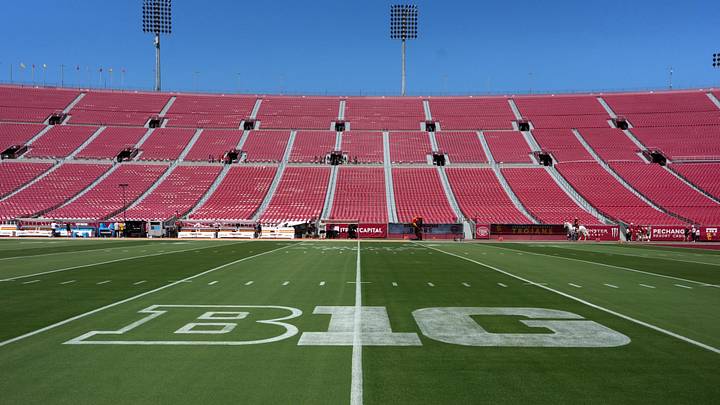
After concluding their second season in the Big Ten, it's evident that USC’s strategic exit from a mismanaged Pac-12 was a smart decision. The Trojans are now reaping the benefits of full revenue sharing, with financial gains pouring in at an unprecedented rate.
As the data indicates, the financial shift is staggering as USC and UCLA pulled in more than double the revenue in their first year of Big Ten membership than they did during their final year in the Pac-12. For the Trojans, this wasn't just a conference change but rathera strategic alteration.
USC received more than double ($76-$79 million) in year 1 of the B1G than they did in their final distribution in the Pac 12 ($33 million) 👀✌️ https://t.co/yob3mo23C8 pic.twitter.com/EG7DhIFoiK
— Arrogant Nation✌🏻 (@FightOnRusty) May 2, 2026
Move to the Big Ten has infused USC athletics with big dollars
This massive capital infusion has already been funneled into state-of-the-art facilities, creating a direct link between the move and USC’s recent recruiting dominance. In the modern era of college football, elite infrastructure follows the money and the Trojans are currently outspending the competition.
This Summer USC football players and staff will enjoy a $225 million state-of-the-art facility only dedicated to football. The best football facility in the nation will include:
— Trojan Football ✌️ ᶠᵃⁿ (@TrojanFBx) January 12, 2026
- Three dedicated levels for team operations
- A rooftop hospitality deck and player lounge
- A… pic.twitter.com/hmBYI38Nxq
Call them the "evil empire" if you want, but USC’s move to the Big Ten was a masterclass in self-preservation. The financial gap between the Pac-12 and the nation's two super-conferences had become an existential threat. Yes, the cross-country travel remains a challenge for Lincoln Riley to solve, but look at the results on the recruiting trail: as he has secured a No. 1 class followed by a top-five standing. Players like Luke Wafle, Mark Bowman, and Honor Fa'alave-Johnson aren't just choosing a school but rather they are choosing the stability and exposure of the Big Ten. Without this move, USC wouldn't just be losing games, they’d be losing the arms race for talent.
It’s perfectly natural to mourn the 'good old days' of the Pac-12 and the storied rivalries with California and Stanford. Those matchups defined generations of Trojan football. However, in the current landscape of the sport, the financial gap was simply too vast to ignore. USC had to make this move to ensure its seat at the table of the college football elite and as the revenue numbers show the future of the program has never looked more secure
 Add us as a preferred source on Google